October 30, 2026
Car repair and maintenance is often seen as a chore, yet it plays a crucial role in prolonging a vehicle's life and preventing costly repairs. Despite its significance, many drivers underestimate the importance of routine check-ups and timely upkeep. Common perceptions of maintenance include the idea that it is time-consuming, expensive, or unnecessary when the vehicle seems to be running fine. However, regular maintenance brings about a plethora of benefits that outweigh the inconvenience and costs associated with it. This article explores the fundamental aspects of vehicle maintenance, cost benefits, preventive maintenance checklists, consequences of neglecting maintenance, available tools and resources, and the broader impacts on the environment and society.
Repair and Maintenance Importance
Definition and Scope of Vehicle Maintenance
Car repair and maintenance encompasses a variety of tasks aimed at keeping a vehicle in optimal working condition. It includes routine services such as oil changes, tire checks, and brake inspections, as well as addressing any minor issues before they develop into major problems. The scope of vehicle maintenance varies depending on the vehicle make, model, and usage patterns. While the manufacturer's guidelines provide a foundation for understanding specific maintenance needs, drivers must also be attentive to their vehicle's performance and behavior. Effective maintenance ensures that each component of the vehicle functions as intended, prolonging its life and efficiency.
Types of Regular Maintenance Tasks
Regular car repair and maintenance tasks are diverse, ranging from immediately apparent to more subtle actions. Common tasks include checking and replacing fluids, such as engine oil, coolant, and transmission fluid, since these are integral to the car's operational health. Other essential tasks involve tire maintenance, such as rotation, alignment, and pressure checks to ensure safety and efficiency. Regular inspection of brakes, steering, and suspension systems helps prevent malfunctions that could lead to accidents. By routinely addressing these areas, vehicle owners can maintain optimal performance and catch potential issues early.
Importance of Scheduled Inspections
Scheduled inspections form the backbone of a robust maintenance regime. Routine check-ups conducted by professional mechanics can identify hidden problems that may not be visible to the average driver. For instance, a mechanic might catch a worn-out brake pad that could lead to brake failure if left untreated. Scheduled inspections allow for small issues to be resolved before they grow into significant problems, saving the owner from costly future repairs. Moreover, these inspections help maintain compliance with safety regulations and verify that the vehicle remains roadworthy.
Key Differences Between Preventive and Reactive Maintenance
Preventive maintenance involves routine actions taken to prevent potential problems from occurring, whereas reactive maintenance deals with fixing issues after they arise. Preventive actions include regular oil changes, tire rotations, and following manufacturer-recommended maintenance schedules. Reactive maintenance tends to be more costly, as it involves addressing problems after they have developed, which often results in expensive repairs. According to Gitnux, about 20% of auto repairs are caused by improper maintenance or neglect, underscoring the importance of preventive strategies. By focusing on preventive maintenance, vehicle owners can significantly reduce unexpected repair costs and enhance vehicle longevity.
Cost Benefits
Major Repair Costs
Regular car repair and maintenance can seal the gaps through which unexpected repair costs creep in. By addressing minor issues during routine check-ups, drivers can prevent these from evolving into major, expensive repairs. For example, a simple oil change can prevent engine problems that would otherwise cost thousands of dollars to fix. Small investments in maintenance, such as fluid top-ups and filter replacements, persistently ward off larger, more costly mechanical failures. Ultimately, this proactive approach translates into considerable financial savings over the vehicle's lifetime.
Vehicle Lifespan
A commitment to regular car repair and maintenance plays a pivotal role in extending a vehicle's lifespan. By ensuring that all parts function optimally and efficiently, maintenance not only preserves the vehicle's condition but also its performance over time. Regular tune-ups and inspections allow for the timely replacement of worn-out components, thereby preventing the undue stress that could lead to premature system failures. Proper maintenance keeps the vehicle running smoothly, reducing wear and tear and promoting longevity. The extended lifespan contributes to increased value and reliability, further underscoring the financial and practical benefits.
Fuel Consumption and Cost Reduction
Regular maintenance directly impacts a vehicle's fuel efficiency. Ensuring that the engine runs smoothly through tasks like frequent air and fuel filter replacements can optimize fuel usage. Tire maintenance, including proper inflation and alignment, reduces rolling resistance and enhances mileage. Addressing these and other maintenance tasks ensures that vehicles operate efficiently, translating into reduced fuel consumption and lower fuel costs. This, in turn, safeguards the owner's budget from erratic fuel price spikes and promotes environmental responsibility through reduced emissions.
Enhanced Vehicle Resale Value
A well-maintained vehicle tends to retain its value better than one that's been neglected. Potential buyers often seek vehicles with a traceable history of maintenance, as this signals reliability and less risk of hidden problems. Routine maintenance records give sellers leverage during negotiations, as they can justify asking for a higher resale price. Selling a vehicle with up-to-date maintenance records can also instill confidence in buyers, making the sale process smoother and faster. Thus, regular maintenance investments can be recuperated through enhanced resale value.
Common Preventive Maintenance Checklist
Engine Oil Changes and Fluid Checks
Regular engine oil changes are fundamental to maintaining vehicle health. Engine oil lubricates moving parts and helps keep the engine cool, reducing the risk of overheating and excessive wear. Routine fluid checks include examining levels of coolant, brake fluid, power steering fluid, and windshield washer fluid to ensure all systems operate smoothly. Timely replacements prevent engine inefficiencies and reduce the risk of damage, thus enhancing performance and preventing costly repairs. Adhering to the manufacturer's recommendations regarding oil change intervals plays a crucial role in maintaining engine integrity and longevity.
Tire Inspections and Alignment
Tire care is a critical component of vehicle safety and efficiency. Regularly checking tire pressure and ensuring it aligns with manufacturer recommendations improves fuel economy and extends tire life. Tire rotations and wheel alignments prevent uneven tire wear, which can lead to premature replacement and potentially hazardous driving conditions. Proper alignment also ensures smoother vehicle handling, enhancing driver control and safety. Keeping tires in excellent condition through regular inspections minimizes the chances of blowouts and minimizes repair expenses, reinforcing vehicle safety.
Brake Pad and Rotor Inspections
Brakes are vital to vehicle safety, demanding regular scrutiny of brake pads, rotors, and fluid levels. Worn-out brake pads pose significant risks, increasing stopping distances and potentially leading to brake failure. Scheduled inspections identify wear patterns and ensure timely replacements, safeguarding both the vehicle and its occupants. Healthy rotors and smooth brake operations contribute to a safer and more predictable driving experience. Ensuring functional brakes not only prevents accidents but also reduces the potential liability arising from brake-related failures.
Battery Life and Electrical System Checks
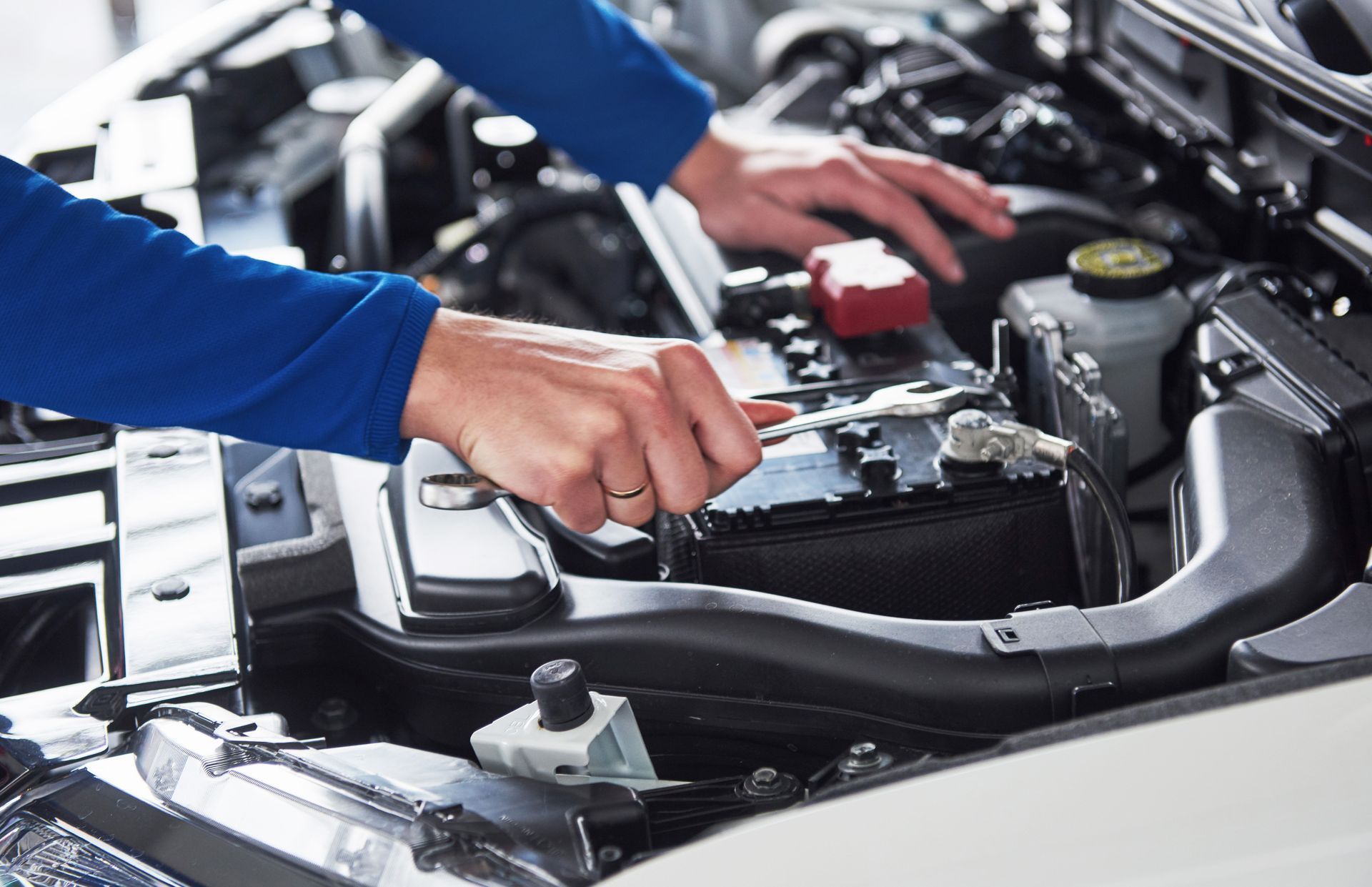
The battery and electrical system serve as the vehicle's lifeblood, powering essential functions from ignition to safety features. Regular tests of battery life and electrical connections help preempt starting issues and electrical failures. Cleaning battery terminals and checking for corrosion ensures efficient power flow and longevity. Regular alternator and starter inspections prevent broader electrical problems that could leave drivers stranded. An effective maintenance routine covering these aspects prevents unexpected disruptions and helps avoid costly replacements.
Routine preventive car repair and maintenance extends vehicle lifespan, enhances safety, improves fuel efficiency, and prevents minor mechanical issues from becoming expensive, catastrophic repairs. When you need car repairs and maintenance, call Classic Automotives, Inc.