November 11, 2026
Maintaining a vehicle involves more than just refueling it. Recognizing when your vehicle requires professional attention can prevent minor issues from becoming major problems. Understanding the various signs that suggest your car needs professional car repairs can save you time and money, ensuring your safety on the road. Regular check-ups are as crucial for a vehicle as they are for a person, often enabling owners to catch problems before they escalate into something more serious. According to Bankrate, routine vehicle maintenance is usually needed every 5,000 miles, although this can vary depending on the make and model of the car.
Taking a proactive approach to automotive maintenance guarantees that your vehicle operates safely and efficiently over its entire lifespan. Neglecting early warning indicators often compounds minor mechanical wear into severe structural or component failures, significantly increasing overall ownership costs. By staying attentive to how your vehicle sounds, performs, and handles, you can address minor repairs long before they result in unexpected breakdowns or hazardous driving conditions.
1. Identifying Unusual Vehicle Noises
One of the most common signs that your vehicle needs professional attention is unusual noises, particularly when braking, accelerating, or turning. A persistent squealing noise upon applying the brakes often indicates that the brake pads are worn and require replacement. Ignoring this sound can cause severe damage to the brake rotors, leading to significantly higher service costs. Furthermore, grinding sounds while driving may stem from the transmission or wheel bearings, signaling that internal components are failing due to friction or a lack of proper lubrication.
Engine knocking is another critical symptom that points toward potential bearing failure, often caused by low oil levels or degraded oil quality. Rattling noises underneath the chassis typically suggest loose or damaged components within the exhaust or suspension systems, which can compromise vehicle emissions and overall stability. Additionally, hissing noises usually point to fluid or vacuum leaks within the cooling system or engine manifold. Promptly scheduling professional car repairs for these auditory warnings helps preserve essential mechanical systems and prevents costly engine overhauls.
Addressing these noise issues early ensures your car remains dependable during daily commutes and long-distance travel. Regular inspections allow mechanics to identify loose heat shields, failing water pumps, or worn-out serpentine belts before they cause catastrophic mechanical failure. Keeping detailed records of when these sounds occur can also assist technicians in quickly pinpointing the exact source of the trouble, saving valuable time during diagnostic testing.
2. Monitoring Dashboard Warning Lights
Modern vehicles feature sophisticated onboard diagnostic systems designed to alert drivers to mechanical and electrical anomalies via dashboard warning lights. The check engine light is perhaps the most versatile warning, capable of indicating issues ranging from a loose gas cap to severe engine misfires. When illuminated, a quick diagnostic scan by a certified technician is necessary to determine the underlying fault code. Ignoring this light can severely impact engine efficiency and lead to catalytic converter failure over time.
Other vital indicators include the battery alert, transmission warning light, and brake warning light, all of which signal immediate maintenance needs. A battery light often points to alternator or wiring failures rather than just a weak battery, while transmission lights indicate system overheating or fluid pressure drops. The brake warning light demands urgent attention, as it highlights potential hydraulic fluid loss or extreme pad wear that directly jeopardizes stopping ability. Monitoring your Tire Pressure Monitoring System light also protects fuel efficiency and prevents premature tire wear.
Routinely reviewing your vehicle's dashboard diagnostics prevents unexpected breakdowns on the highway. Addressing warning lights immediately keeps all safety and performance systems functioning within their manufacturer-specified parameters. Modern vehicles rely heavily on interconnected sensors; resolving a minor sensor malfunction early prevents it from negatively affecting surrounding electronic control units and mechanical assemblies.
3. Assessing Drops in Performance
A noticeable decline in vehicle performance is a clear indication that underlying mechanical or fuel systems require professional evaluation. Difficulty starting the engine, slow cranking, or inconsistent ignition often points to battery degradation, starter motor wear, or fouled spark plugs. If your engine frequently stalls during operation, it could stem from a malfunctioning fuel pump, clogged fuel filter, or faulty ignition coils. These performance disruptions reduce overall vehicle reliability and create dangerous situations during heavy traffic conditions.
A sudden loss of engine power or decreased fuel efficiency also signals the need for expert intervention. Issues with oxygen sensors, fuel injectors, or clogged intake valves prevent the engine from maintaining an optimal air-fuel ratio, forcing it to consume extra fuel. Similarly, rough idling indicates ignition system imbalance or dirty throttle bodies, wasting fuel and raising vehicle emissions. Timely car repairs restore proper engine calibration, optimize mileage, and protect internal engine parts from premature wear.
Maintaining peak vehicle performance also reduces overall environmental impact through lower tailpipe emissions and optimal fuel economy. Routine tune-ups clear carbon deposits, ensure clean airflow, and keep spark plugs firing efficiently. By addressing minor engine stutters or delayed acceleration promptly, drivers ensure their vehicle responds predictably during critical driving maneuvers like highway merging and passing.
4. Addressing Steering and Handling Problems
Safe driving depends heavily on precise steering control and balanced handling, making any abnormalities in these systems a critical concern. Steering wheel vibrations or chassis shaking often indicate misaligned wheels, unbalanced tires, or worn suspension components. Continuing to drive with severe alignment issues causes rapid, uneven tire wear and places excessive stress on the vehicle's suspension system. Professional wheel alignments and tire balancing restore handling precision while extending the usable life of your tires.
If your vehicle pulls to one side, demonstrates a loose steering wheel, or exhibits resistance when turning, immediate mechanical inspection is warranted. Hardness when steering typically points to power steering fluid leaks or a failing power steering pump, while loose-feeling steering suggests worn tie rod ends or rack-and-pinion issues. Noises like whining or squealing during turns further confirm power steering system distress. Resolving these issues promptly guarantees consistent vehicle control and prevents dangerous steering loss during unexpected evasive maneuvers.
Keeping steering and suspension systems properly calibrated enhances overall ride comfort and driver confidence across varying road surfaces. Loose bushings, worn ball joints, and leaking struts diminish tire traction and extend braking distances. Routine inspections of these undercarriage components prevent minor wear from degrading overall handling stability and vehicle safety.
5. Managing Exhaust Fumes and Fluid Leaks
Inspecting the ground under your parked vehicle for fluid leaks provides valuable insight into the health of internal systems. Dark oil spots indicate leaking engine gaskets or seals, which can lead to severe friction damage if oil levels drop too low. Brightly colored coolant leaks signal cooling system vulnerabilities, risking severe engine overheating and cracked cylinder heads. Reddish transmission fluid leaks or clear brake fluid spots require immediate car repairs to prevent gear slippage or total brake system failure.
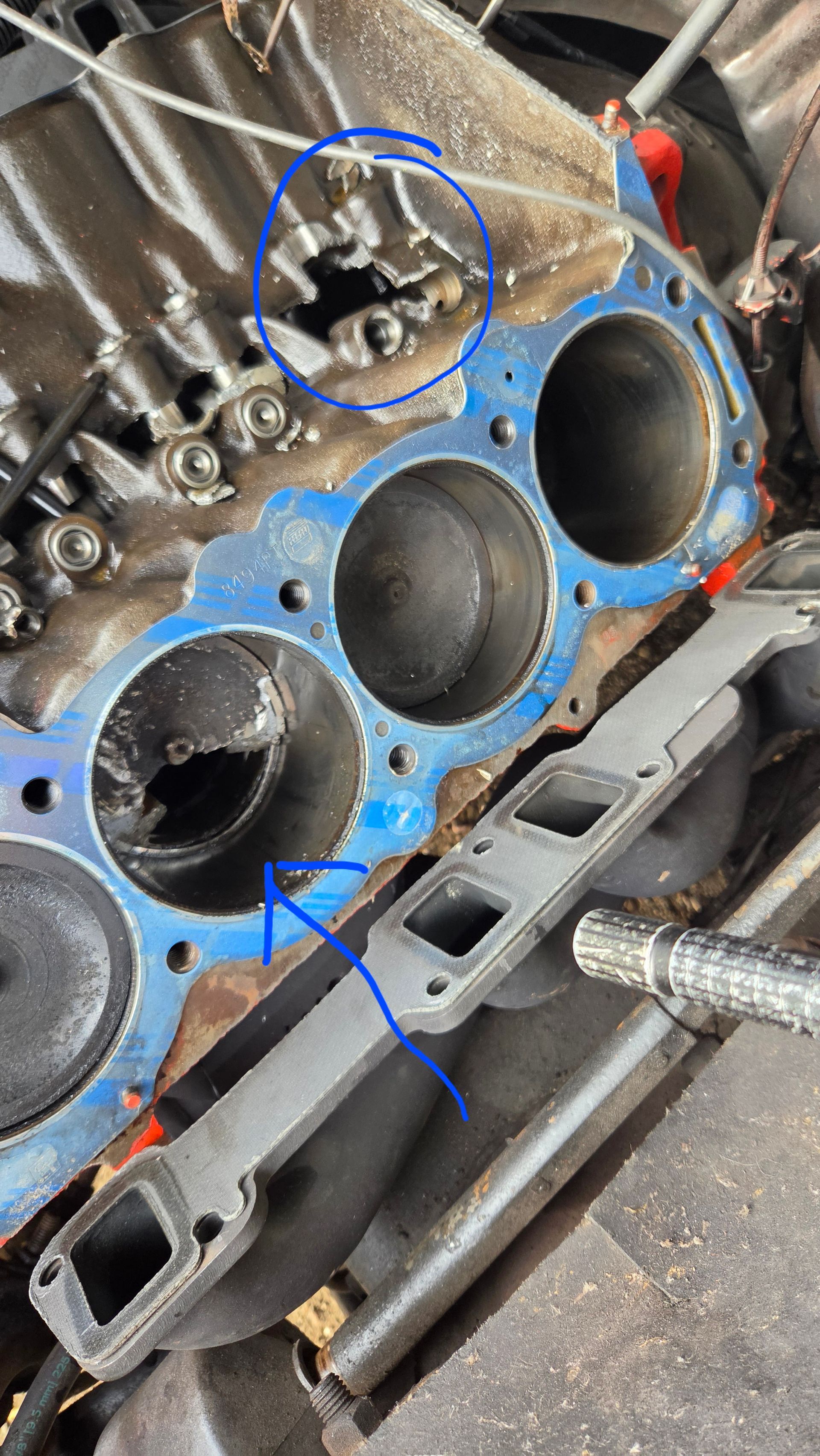
Monitoring exhaust smoke color and odor is equally essential for catching internal engine damage early. Black smoke indicates an overly rich air-fuel mixture caused by dirty air filters or stuck fuel injectors, while blue smoke signals burning oil due to worn valve seals or piston rings. Persistent white smoke points to coolant entering the combustion chamber, usually caused by a blown head gasket. Additionally, noxious exhaust odors inside the cabin indicate dangerous exhaust leaks that pose severe safety hazards to passengers.
Recognizing the early warning signs of vehicle failure is essential for maintaining safety, performance, and long-term value. From unusual brake squeals and illuminated dashboard lights to handling difficulties, fluid leaks, and performance drops, addressing minor issues early prevents expensive emergency car repairs. Adhering to structured service schedules keeps your engine, transmission, and safety systems operating at peak performance across thousands of miles. Taking a proactive approach to maintenance guarantees reliable transportation and protects your automotive investment for years to come. For more information about the services that we offer, reach out to our incredible team at Classic Automotives, Inc today!